If you searched “Crackstube” and got confused, you’re not alone. Some results call it a publishing website. Others link it to streaming or pirated content. A few warn you to stay away entirely.
That mix of answers isn’t an accident. It’s a sign that the name itself is doing double duty online, and search engines are struggling to sort it out. This guide breaks down exactly what’s going on, so you can make an informed choice instead of guessing.
We’ll look at where the name comes from, what different sites claim about it, the real risks tied to “crack” and “tube” style websites, and the safety steps you should take no matter which version you run into.
Why the Name “Crackstube” Causes So Much Confusion
Search results for unusual internet names rarely agree with each other. That’s especially true here.
Type “Crackstube” into Google, and you’ll find a strange mix of content types on the first page. Some articles describe a content platform. Others describe adult streaming. A few flag it as a piracy-adjacent term entirely.
This happens for a simple reason: multiple, unrelated websites have used similar names, and search engines index all of them under the same keyword. When that happens, readers are left piecing together the truth from conflicting sources, which is exactly what this article is here to help with.
What the Name Actually Combines
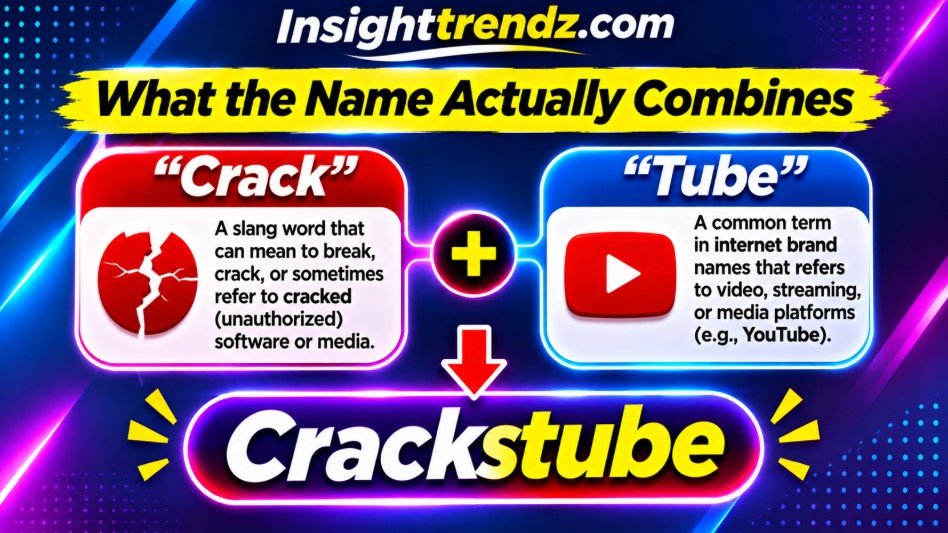
Breaking the word down helps explain the confusion.
- “Crack” is strongly associated online with software that’s had its license protection removed, letting people use paid programs without buying them.
- “Tube” is a common suffix for video and streaming sites, following the pattern set by well-known platforms.
Put those two pieces together, and you get a name that sounds like it promises free software, free videos, or both. That naming pattern is common in low-cost domain branding, and it’s often chosen specifically because it ranks for search terms people are already typing.
Bold takeaway: the name itself was likely built to catch search traffic from people looking for cracked programs or free video content, regardless of what the site actually delivers.
Learn More: Workzly.in
The Two Things People Mean When They Say “Crackstube”
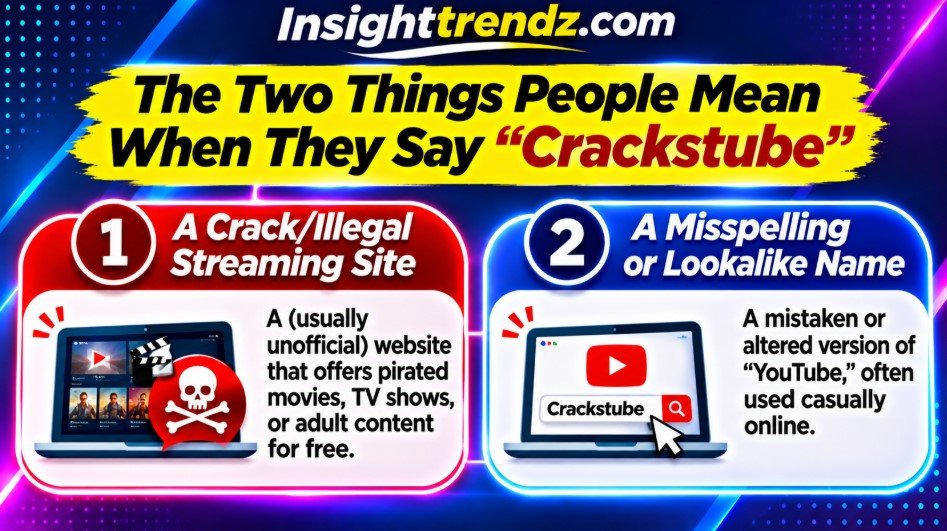
Based on what’s publicly available, the name is currently tied to at least two different kinds of sites.
- A content-publishing style website. Some sites using this name present themselves as general information hubs, publishing articles across categories like technology, finance, business, and education. They typically include a privacy policy, contact page, and guest-posting section.
- An unofficial streaming or piracy-adjacent site. Other pages associated with the name are described as adult content or media streaming platforms, some of which recommend using a VPN to access them — a common signal that a site may not operate with full legal clearance in every region.
It’s worth being direct here: self-descriptions on a website are not proof of legitimacy. A site can publish an “About Us” page claiming to be a professional platform while still carrying real risk. The only way to know what you’re actually dealing with is to verify independently, which we’ll cover below.
Comparison: Publishing Site vs. Unofficial Streaming/Software Site
| Factor | Content-Publishing Style Site | Unofficial Streaming/Crack Site |
| Typical content | Articles on tech, finance, business, education | Videos, software downloads, or adult content |
| Monetization | Ads, guest posts, sponsored content | Ads, redirects, sometimes malware bundling |
| Legal risk to visitor | Generally low | Can be significant, depending on content and region |
| VPN recommended by the site itself | Rarely | Often, which is a red flag worth noting |
| Transparency (contact info, policies) | Usually present | Often missing or generic |
| Security risk (malware, popups, trackers) | Lower, but still varies by site quality | Higher, especially on ad-heavy pages |
Use this table as a mental checklist any time you land on a site using this name. If a site checks more boxes in the right column, treat it with extra caution.
Why You Can’t Always Trust “About Us” Claims
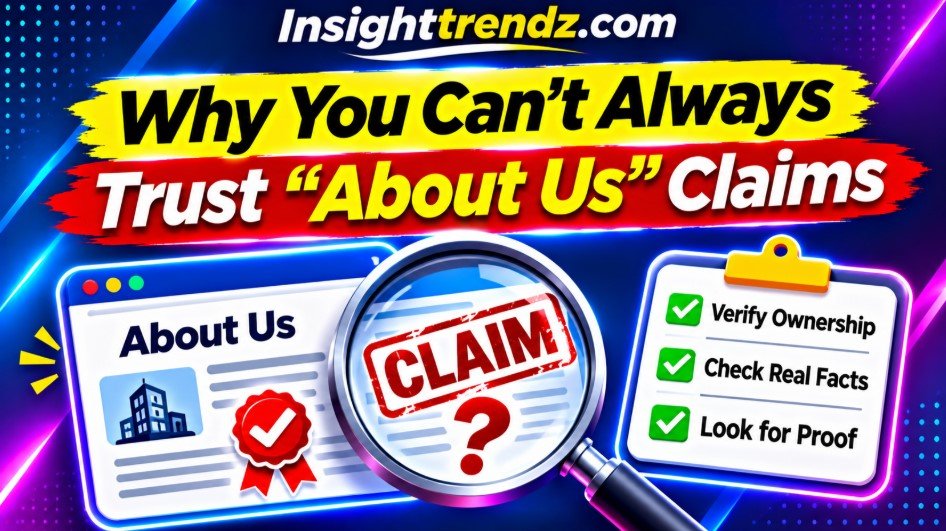
Here’s something worth understanding about how the internet works: anyone can register a domain and describe it however they want.
A site can call itself a “trusted digital media platform” in its own copy while offering completely different content once you dig past the homepage. This isn’t unique to any one name — it’s a common pattern across low-authority websites trying to rank for confusing or high-traffic keywords.
That’s why independent verification matters more than a site’s own claims. A few things worth checking:
- Does the site have a real, physical business address or company registration?
- Do outside, independent sources (not affiliated articles) describe it the same way?
- Does the domain have a long, consistent history, or did it change purpose recently?
- Are there verifiable author names behind the published articles?
If those answers are unclear, treat the site’s own description as marketing, not fact.
Common Risks Tied to Crack-Style and Tube-Style Websites
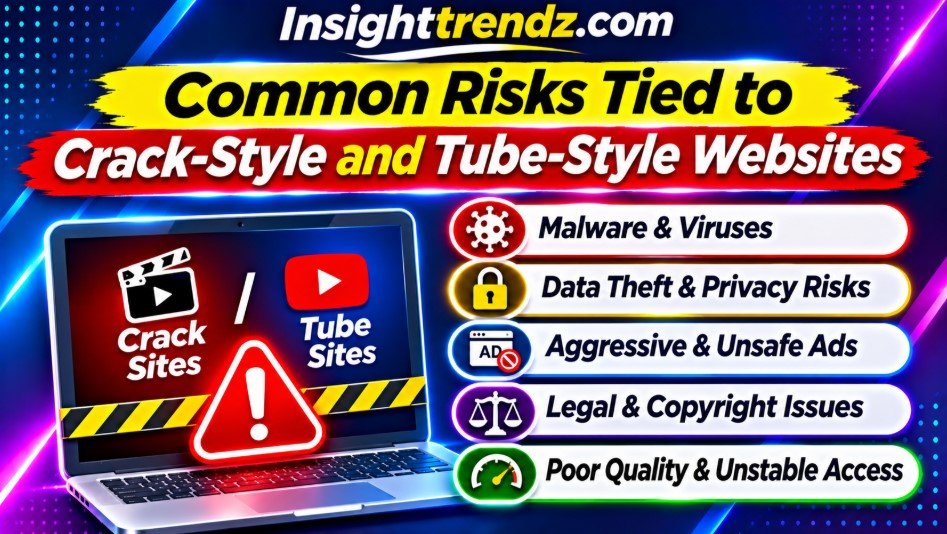
Whether or not a specific site is safe, it helps to understand the general risks tied to this category of website.
Malware and Adware
Sites offering “free” cracked software or unrestricted streaming often carry aggressive ad networks. These can include pop-ups that trigger downloads without clear consent, disguised “download” buttons that don’t lead to real content, and browser extensions bundled into installers.
Legal Exposure
Downloading cracked software or streaming copyrighted content without authorization can carry legal consequences depending on your country. Laws vary, but using or distributing pirated content is not risk-free, even when a site makes it look casual.
Data and Privacy Risks
Free-content sites sometimes require account sign-ups, email addresses, or payment details for “premium” access. Handing over personal data to an unverified site increases your exposure to scams, spam, and identity-related fraud.
Misleading SEO Content
Some articles about confusing names like this one are written specifically to rank in search results and reassure visitors, rather than to inform them accurately. That’s part of why cross-checking multiple independent sources matters so much here.
Reputation-shaping content is a known tactic online. When several nearly identical articles appear within a short window, all describing the same disputed name as “completely safe” or “totally legitimate,” that’s often a coordinated effort rather than genuine independent reporting. It doesn’t automatically mean the underlying site is dangerous, but it’s a strong signal to slow down and verify rather than take the claim at face value.
Read more: Crypings com
Why Confusing Domain Names Keep Showing Up
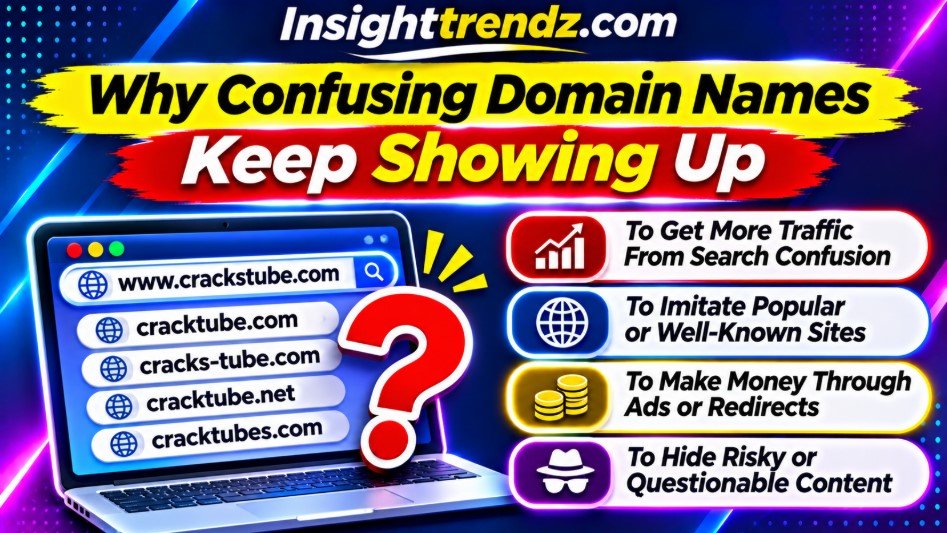
Crackstube isn’t the first name to create this kind of search confusion, and it won’t be the last. Website owners sometimes choose names that closely resemble well-known brands or common search phrases because doing so captures traffic from people who are already searching for something similar.
This naming strategy shows up across several categories:
- Piracy-adjacent branding, where “crack,” “torrent,” or “free” appear in the domain to attract people looking for unauthorized downloads.
- Copycat streaming names, which borrow the “-tube” suffix popularized by major video platforms to imply a similar experience.
- Recycled or expired domains, where a name changes ownership and purpose entirely, but old backlinks and search history keep pointing to outdated descriptions.
Understanding this pattern helps explain why a single search term can lead to wildly different websites depending on when the domain last changed hands, who currently owns it, and how aggressively different parties are trying to shape what shows up about it.
How to Check Any Unfamiliar Site Before You Trust It
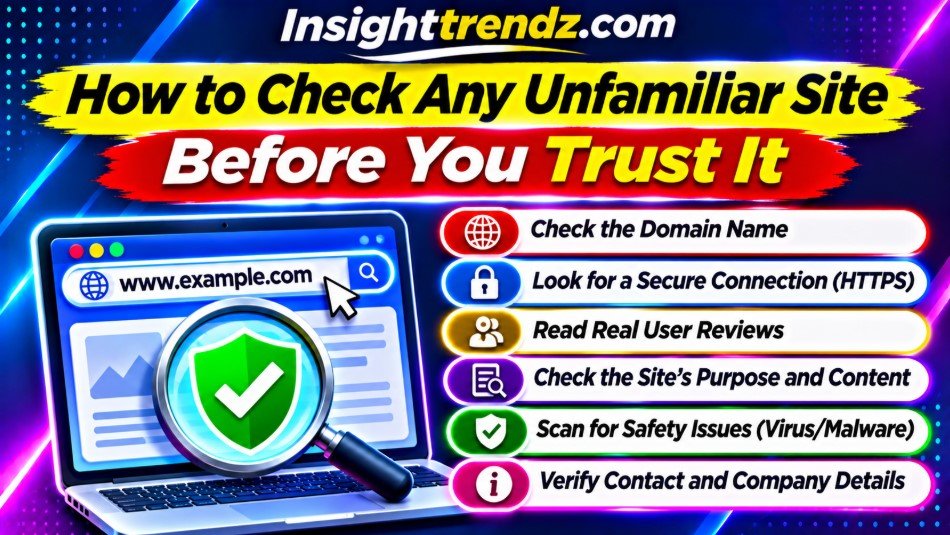
You don’t need technical expertise to do basic due diligence. Follow these steps before entering any information or downloading anything:
- Search the domain name alongside words like “review” or “safe.” Genuine complaints tend to surface quickly.
- Check how long the domain has existed. Free WHOIS lookup tools show registration dates; very new domains deserve extra caution.
- Look for a working contact method. A real business usually has a verifiable email or physical address.
- Avoid entering payment or login details unless you can independently confirm the site’s legitimacy.
- Keep antivirus software active if you choose to explore any unfamiliar link-heavy site.
- Trust your browser’s warnings. If Chrome, Firefox, or Safari flags a site as unsafe, don’t override it casually.
Pros and Cons of Engaging With Sites Like This
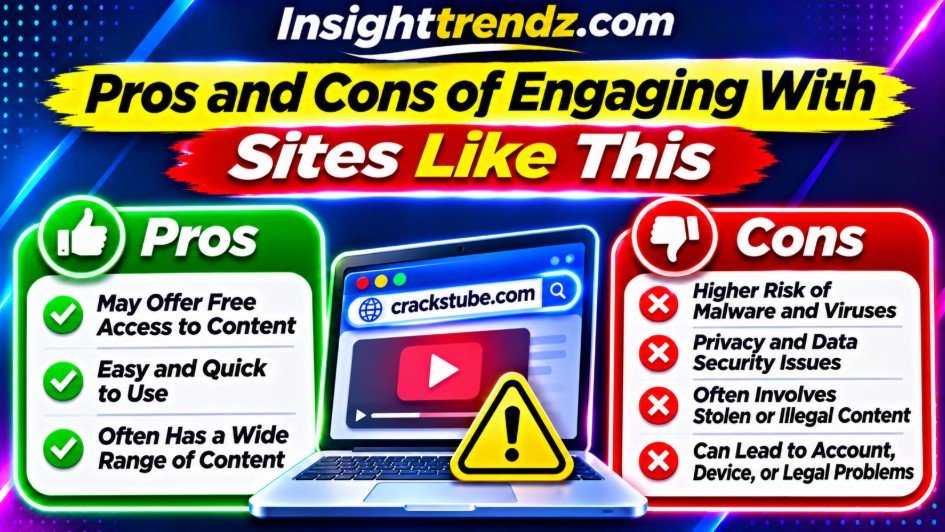
Pros (if the publishing-style version is genuine)
- Free access to informational articles across multiple topics
- Potential guest-posting opportunities for writers and marketers
- No cost barrier to reading content
Cons
- Difficult to independently verify legitimacy without deeper research
- Name overlap with piracy/adult content creates reputational and safety confusion
- Security risks are higher than average if you land on the wrong version of the name
- Some versions may expose you to legal or privacy risks depending on what you access
Weigh these honestly. If you’re unsure which version you’re dealing with, the safest move is to treat it cautiously until you’ve verified it yourself.
Safer Alternatives Worth Knowing
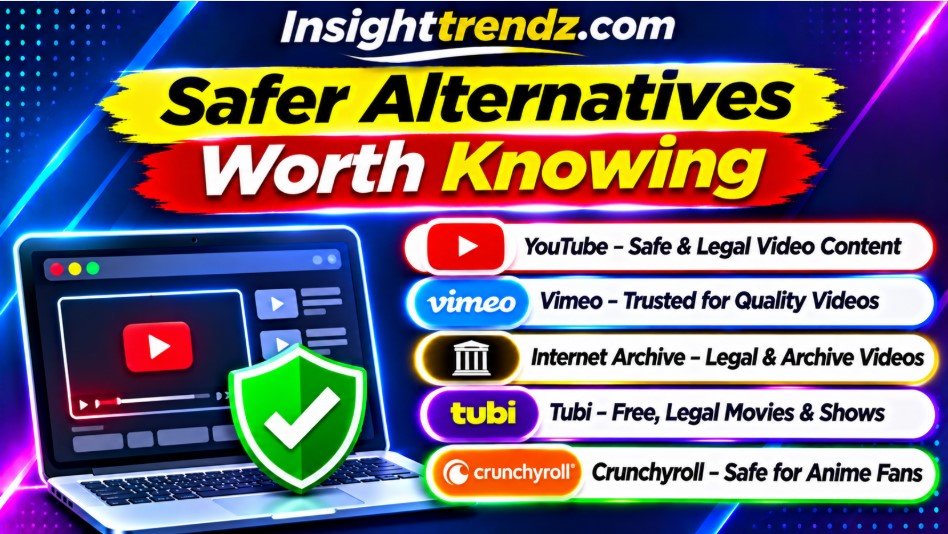
If your goal is genuinely informational content on topics like technology, finance, or business, established and independently verifiable publications are a safer starting point. Look for sites with:
- A long-standing, verifiable editorial history
- Named, credentialed authors
- Clear ownership and contact information
- No pressure to download software or install extensions to keep reading
If your goal was free software or streaming, understand that “free” versions of paid products almost always carry hidden costs, whether that’s malware, data exposure, or legal risk. Legitimate free trials and official free tiers from real software companies are a far safer route.
Read More: Zavalio.com Review 2026
Frequently Asked Questions
Is Crackstube safe to visit?
It depends entirely on which version of the name you encounter. Some associated sites present themselves as informational publishers, while others carry the security and legal risks typical of unofficial streaming or software sites. Verify independently before trusting any of them.
Is Crackstube a piracy website?
The name is linked to piracy-style branding through the word “crack,” and some sites using similar names are described as unofficial streaming platforms. Not every site using the name necessarily operates that way, which is why independent verification matters.
Why do search results for Crackstube look so inconsistent?
Multiple unrelated websites appear to use similar names, and some content about the term is written to influence how it appears in search results. That combination produces conflicting information for anyone searching it.
Does Crackstube require a VPN to access?
Some content associated with the name reportedly recommends using a VPN. That’s often a signal worth paying attention to, since legitimate publishing sites typically don’t need one for standard access.
Can I get in trouble for visiting a site like this?
Simply visiting a website is rarely illegal on its own, but downloading pirated software or accessing certain restricted content can carry legal risk depending on your country’s laws. When in doubt, avoid downloading anything from an unverified source.
How can I tell if a Crackstube-related site is the legitimate publishing version?
Check for a transparent privacy policy, real contact details, consistent editorial history, and named authors. If those are missing or vague, treat any legitimacy claims with skepticism.
Are there official verified accounts for Crackstube?
Claims of “verified social accounts” appear in some self-published descriptions, but verification status can change and should be checked directly on the platform in question rather than taken at face value.
Is guest posting on a site called Crackstube a good SEO move?
Before contributing content or backlinks to any site with reputation ambiguity, verify its domain history, traffic sources, and independent reviews. Publishing on a site with mixed associations can affect your own site’s trust signals.
What should I do if I already downloaded something from a crack-related site?
Run a full antivirus and anti-malware scan immediately, change passwords for sensitive accounts, and monitor for unusual account activity over the following weeks.
Is there one single official Crackstube website?
Public information suggests more than one site has used this name or a close variation. There isn’t a single, universally agreed-upon “official” version, which is central to why this name causes so much confusion.
Conclusion
“Crackstube” isn’t a simple, one-answer keyword. It sits at the intersection of a publishing-style website and naming patterns tied to piracy and unofficial streaming, and search results reflect that split.
The smartest approach isn’t to accept any single article’s claims — including this one’s summary of what’s publicly available — but to verify independently before you trust, download, or contribute anything. Check domain history, look for real contact information, and lean on your own judgment when a site’s self-description doesn’t match what independent sources say.
When free content or software looks too convenient, it’s worth pausing to ask what’s really being traded in return: your data, your security, or your compliance with the law.